
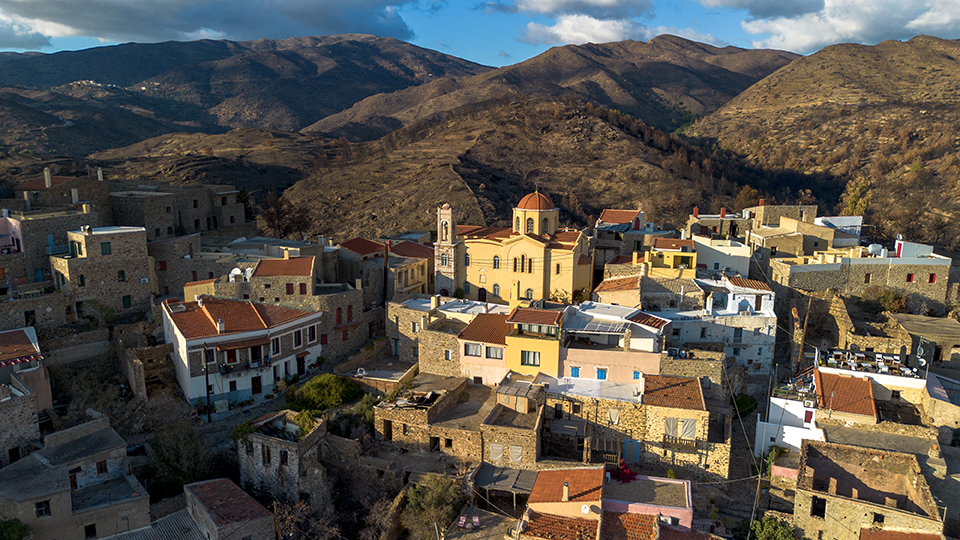
If you find yourself in a Greek island during the Holy Week, you’ll notice a shift in the air. The thick incense, blooming jasmine and the yeasty, orange-zest aroma of tsoureki bread, is the first sign that you’ve timed your trip perfectly. This isn’t the Greece you see in the heart of summer. It’s louder, messier and much more authentic. From the moment you step off the ferry ramp, you realize that during the Orthodox Easter, the Greek islands aren’t just a destination.
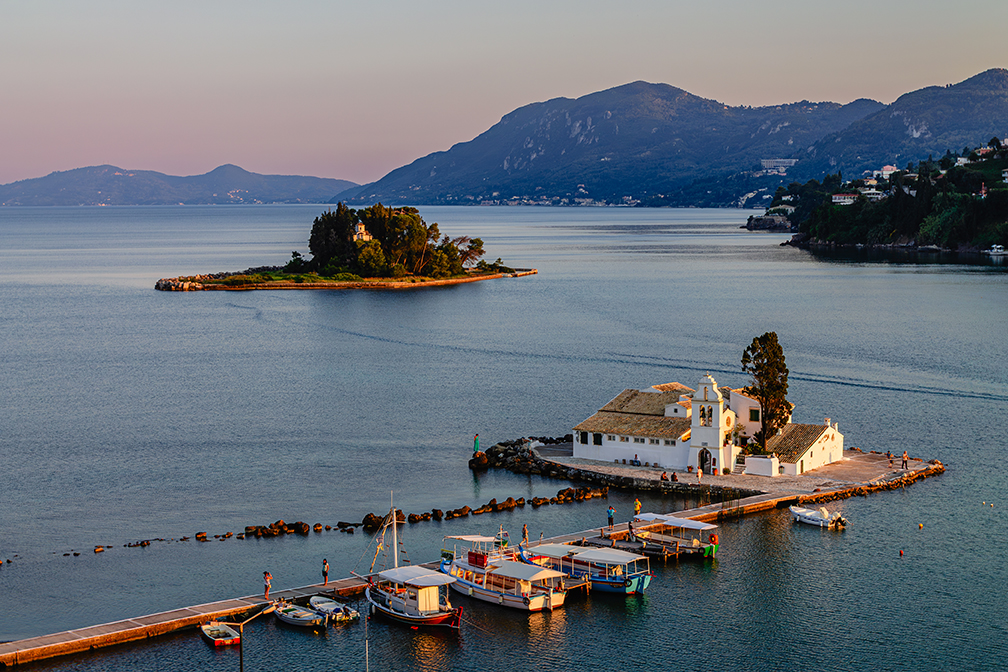
How to get there
Traveling during the Holy Week requires a bit of local know-how. This is one of the busiest weeks of the year for the Greek ferry network as thousands of locals head back to their ancestral villages.
- From Piraeus (Athens) Port: The main hub. From here, you’ll find the big, reliable conventional ferries (Blue Star Ferries, ANEK Lines, etc) heading to the Cyclades, Crete and Dodecanese. These are great because you can walk on the deck and watch the magnificent horizon.
- From Rafina Port: Located closer to the airport, Rafina is your best bet for a faster departure to Andros, Tinos or Mykonos. It’s smaller, less chaotic than Piraeus and cuts about an hour off your sea time.
- Lavrio Port: Often overlooked, this port is the gateway to the Western Cyclades, like Kythnos and Kea (Tzia).
The best way to ensure you aren’t left standing on the pier is to plan ahead. You can easily compare schedules and book your ferry tickets and accommodation on Travel Ferry to lock in your spot.
The Must-See Island Traditions
Every island has its own “thing” but if you’re looking for the most iconic experiences, these 4 are the heavy hitters:
· Corfu – The Ionian Giant: On Holy Saturday at 11am, the “Botides” happens. Locals throw massive clay jugs filled with water from their windows into the narrow streets below. It’s loud, it’s messy and it’s meant to shake off the bad luck.
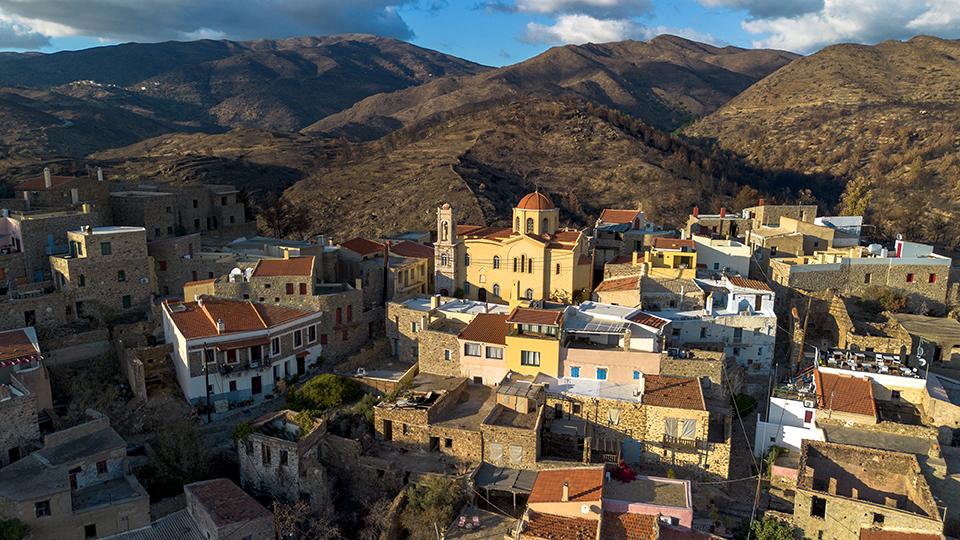
· Chios – The Rocket War: In the village of Vrontados, two rival churches spend Holy Saturday night firing thousands of home-made rockets at each other’s bell towers. It looks like a slow-motion meteor shower and is easily the most adrenaline-fueled Easter in the world.
· Hydra – The Sea-Going Epitaph: On Good Friday, the seaside neighborhood of Kaminia carries a flower-adorned Epitaphios (the symbolic tomb of Christ) directly into the sea. The men stand waist-deep in the sea to bless the fleet and the sailors.
· Patmos – The Spiritual Heart: known as the Island of the Apocalypse, the ceremonies here are solemn and grand. Don’t miss the “Washing of the Feet” in the central square of Chora, a reenactment that feels like stepping back into the Byzantine era.
The Easter Sunday Feast: What’s on the Table?
Easter Sunday is the ultimate cheat day, after forty days of fasting. The smell of woodsmoke and roasting lamb dominates every village square.
· Arni sto Fourno: whole lambs roasting on spits, constantly basted with lemon, garlic and oregano.
· Kokkina Avga: hard-boiled eggs dyed in deep crimson. You’ll be invited to “crack” eggs with locals. The person whose egg doesn’t break is said to have good luck for the year.
· Mageiritsa: A traditional soup eaten after the midnight Resurrection Service. It’s an acquired taste (made with lamb offal and lemon-egg sauce) but it’s the ultimate comfort food for Greeks.
Logistics and Planning for Easter 2026 in Greece
- Early: We can’t stress this enough. Ferries and boutique hotels sell out weeks in advance.
- The Winds:Spring can bring the meltemi winds. If you’re prone to seasickness, opt for the larger conventional ferries rather than the high-speed catamarans.
- Layers: The Aegean sun is warm, but the ferry decks and island nights can be chilly.
Whether you want the thundering drums of Corfu or the quiet, candlelit alleys in Patmos, Easter is the best time to see the real Greece before the summer crowds arrive.