
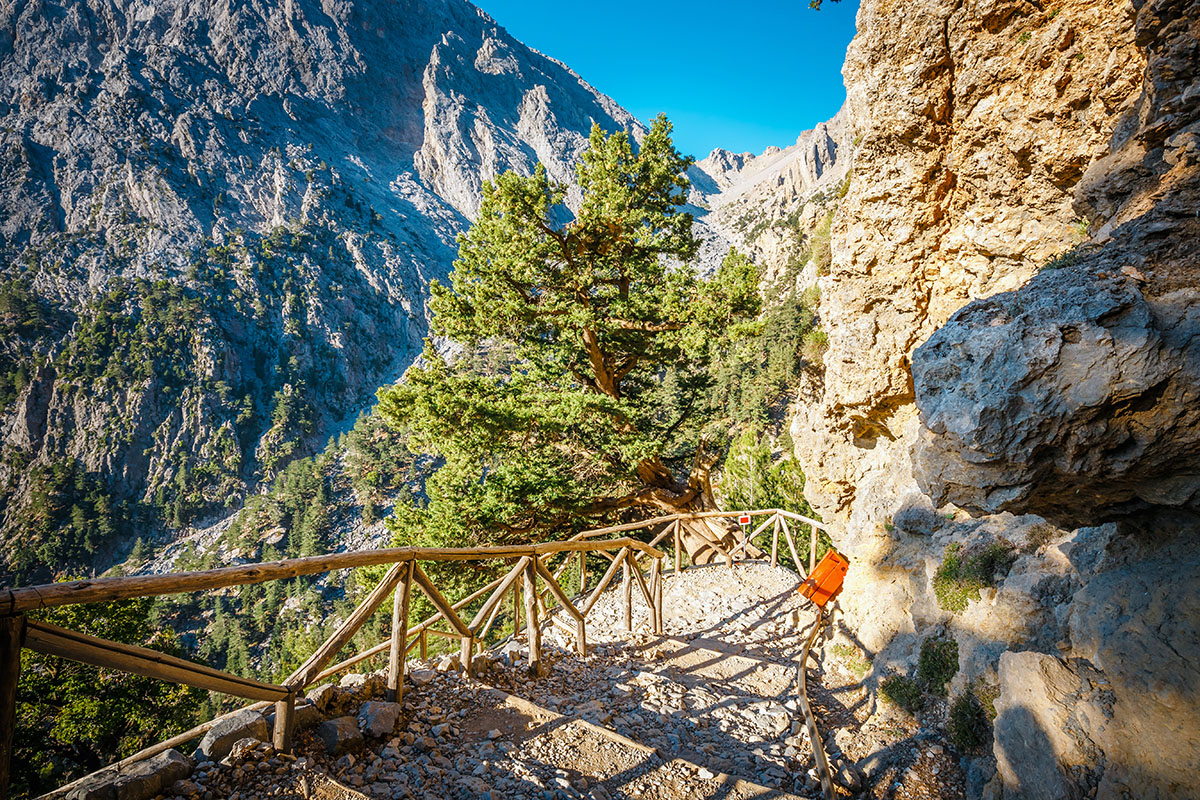
By March, the Greek Islands have shed their postcards-only persona. The relentless July sun is months away and the scorched earth has been replaced by an almost neon green. If you’ve only visited in the summer, you wouldn’t recognize the scent; it’s not suntan lotion and diesel, but wild oregano, damp earth and blossoming lemon trees.
Hiking here in the spring means you’re sharing the trails with mountain goats and the occasional local beekeeper, not a cruise ship crowd. The temperatures hover around 16oC to 19oC, which is the Goldilocks zone for trekking – warm enough for a light shirt, but cool enough that you won’t collapse halfway up a Byzantine stone staircase.
1. Andros: The Water Kingdom
Andros is an anomaly in the Cyclades. While neighboring islands are already bracing for the dry season, Andros is gushing with water. The Andros Routes network consists of over 200km of certified trails that lead you through unexpectedly lush landscapes.
· Dipotamata Valley: a 7km stretch featuring arched stone bridges and dozens of abandoned watermills. In March, the river is high and the valley is thick with ivy.
· Pythara Waterfalls: tucked away in Apoikia, these falls look like they belong in a jungle, surrounded by rare ferns and wildflowers.
· The Panachrantou Monastery: a challenging climb to a monastery perched on the mountain’s edge, offering a bird’s eye view of the capital, Chora.
2. Naxos: Climbing the Throne of Zeus
Naxos is the big, fertile heart of the Cyclades. In the spring, the Tragea Valley (the island’s olive grove heartland) is carpeted in red poppies and yellow daisies.
· Mount Zas (Zeus): at 1004 meters, this is the highest peak in the Cyclades, In the spring, the air is clear enough to see as far as Crete.
· Kouros or Flerio: a flat, scenic walk through the Melanes Valley leads you to two massive, unfinished 6th century BC statues left in the grass of an ancient quarry.
· Byzantine Park: a loop trail from the village of Chalki takes you past 11th century frescoes hidden in tiny chapels that are often left unlocked.
3. Crete: Rugged Gorges of the South
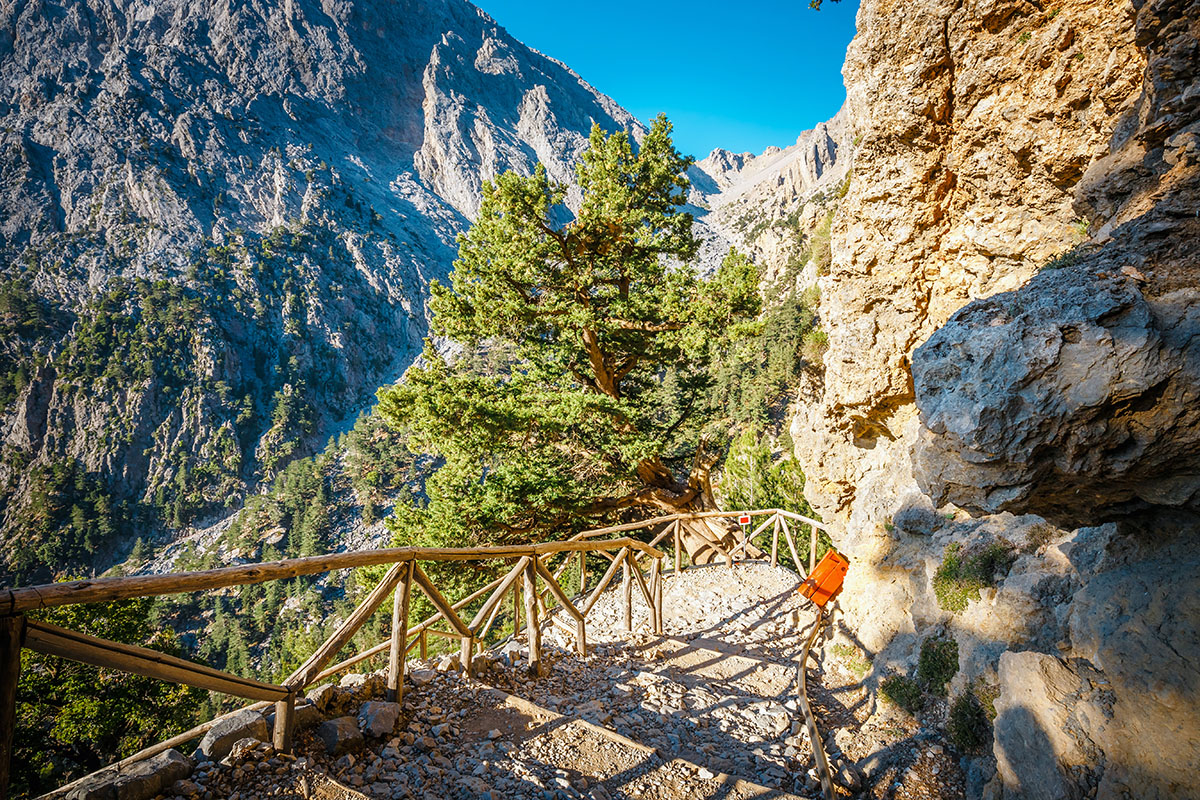
Crete is too vast for one trip, so focus on the South for spring hiking. While the famous Samaria Gorge stays closed until May, the smaller canyons are wide open and far less crowded.
· Imbros Gorge: a spectacular 8km descent with walls so narrow you can almost touch both sides. In March, the scent of Cretan thyme is everywhere.
· Agiofarango: known as the “Gorge of the Saints”, this short hike leads through towering, red cliffs to a secluded pebble beach on the Libyan Sea.
· The E4 Coastal Path: specifically, the stretch between Agia Roumeli and Loutro, which hugs the turquoise coastline under the shadow of the White Mountains.
4. Sifnos: The “Slow Food” Trails
Sifnos is home to Sifnos Trails, one of the most professionally marked networks in the Mediterranean. In spring, the island in one of the 13 most important botanical paradises in Greece.
· Artemonas to Kastro: a gentle walk-through ancient terraces and whitewashed villages, ending at the medieval fortress of Kastro.
· The Gold Mines trails: a coastal route leading to the Church of Agios Sostis, passing by ancient silver and gold mining shafts.
· Profitis Ilias: a stone-paved climb to the highest monastery on the island for a panoramic sunset view.
5. Tilos: The Ecological Sanctuary
Tilos is the Dodecanese’s best kept secret. It is certified Green Island and a protected nature reserve. In March, it’s a haven for birdwatchers and wildflower enthusiasts, with over 400 species of flora blooming at once.
· Micro Chorio: a hike to an abandoned medieval ghost village. At night, the ruins are often subtly lit, creating an eerie, beautiful atmosphere.
· Agios Panteleimonas: a coastal trail leading to a 15th century monastery tucked into a cliffside, surrounded by massive plane trees and springs.
· Eristos Valley: a flat walk-through fertile plain filled with citrus groves and rare bird species like Eleonora’s Falcon.
Logistics: How to get there
Spring ferry schedules are leaner but very reliable.
· Andros: depart from Rafina port. It’s a 2 hour hop on conventional ferries like Fast Ferries.
· Naxos and Sifnos: daily departures from Pireaus port. High-speed SeaJets will get you to Naxos in 3,5 hours, while the Zante Ferries or Aegean Speed Lines are great for the wester Cyclades (Sifnos).
· Crete and Tilos: for Crete, take the overnight ferry to Chania or Heraklion. For Tilos, you’ll likely fly to Rhodes and catch a local catamaran or take the long-haul Blue Star Ferries’ boat from Piraeus port.
The best way to coordinate these routes is to book through Travel Ferry. You can compare real-time schedules and secure your accommodation in one place – crucial for spring when some smaller village guesthouses are just beginning to open their doors.
Correcting Myths
· No airports: remember, Andros, Sifnos and Tilos do not have airports. You must arrive by sea.
· Water Safety: on Andros and Naxos, the mountain springs are clean and drinkable. Look for the marble fountains in the village squares.
· No cars: in some areas of Southern Crete and the Old Town of Kastro in Sifnos, there are no cars. Be prepared to haul your pack for the last few hundred meters.
Ready to explore the Wild Side of Greece?
The 2026 Spring Season is the perfect time to experience slow travel. The trails are clear, the air is fresh and the islands are at their most authentic.
Book your ferry tickets and stays on Travel Ferry and see the Greece that most travelers miss.